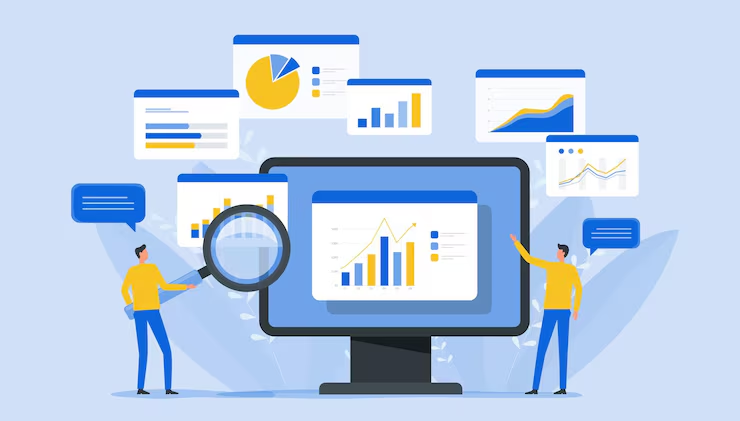
Audience reporting is the systematic process of collecting, analyzing, and presenting data about how users interact with your marketing channels. It spans website analytics, social media metrics, email engagement, and campaign performance — giving you a 360-degree view of your audience’s behavior.
In today’s data-driven landscape, audience monitoring has evolved beyond vanity metrics. Modern marketers use advanced tracking tools, custom dashboards, and real-time alerts to understand which channels drive conversions, where users drop off, and how to allocate budgets for maximum impact.
Whether you’re a startup tracking your first 1,000 visitors or an enterprise monitoring multi-channel campaigns, audience reports provide the foundation for smarter decisions and sustainable growth.
Tracks Real-Time Engagement Monitor how users interact across channels in real time, enabling instant optimization and rapid response to changing trends.
Identifies High-Value Segments Reports reveal which audience segments convert best, allowing you to focus resources on the most profitable groups.
Creates Actionable Reports Transform raw data into clear, shareable reports that inform strategy across teams and stakeholders.
Improves Campaign ROI Continuous monitoring highlights underperforming campaigns early, so you can pivot before wasting budget.
How Audience Monitoring Works
A strategic, step-by-step process that turns raw audience data into measurable marketing results.
Monitoring Process
Data Collection
Gather audience data from website, social media, ads, and email platforms into a unified tracking system.
KPI Tracking
Monitor key metrics including engagement rates, CTR, conversion rates, and session behavior in real time.
Report Generation
Compile collected data into structured, visual reports with charts, trends, and comparative insights.
Performance Analysis
Analyze report data to identify patterns, anomalies, and opportunities across all marketing channels.
Strategy Optimization
Apply data-backed insights to refine targeting, messaging, budget allocation, and campaign strategies.
Types of Audience Reports
Explore the diverse report types available to analyze your audience and optimize your marketing strategy.
Report Categories
Engagement Reports
Track likes, shares, comments, time on page, and interaction rates across all channels.
Conversion Reports
Measure goal completions, lead form fills, purchases, and funnel progression metrics.
Traffic Source Reports
Identify which channels — organic, paid, social, referral — drive the most valuable visitors.
Demographic Reports
Understand audience age, location, device, and interest segments for precise targeting.
Behavior Flow Reports
Visualize the exact paths users take through your site, revealing drop-offs and opportunities.
Social Media Performance
Analyze post reach, follower growth, engagement rates, and content performance by platform.
Campaign Performance Reports
Evaluate individual campaign metrics including impressions, clicks, and cost-per-action.
ROI Reports
Calculate return on investment across campaigns by comparing spend against revenue generated.
Audience Monitoring Platforms & Tools
The essential platforms and tools every marketer needs to track, analyze, and report on audience performance.
Essential Tools
Google Analytics
The industry-standard platform for tracking website traffic, user behavior, and conversion goals.
Looker Studio
Create custom, shareable dashboards and visual reports from multiple data sources.
Meta Ads Manager
Monitor Facebook and Instagram ad performance with detailed audience and placement insights.
HubSpot
All-in-one marketing hub with built-in reporting on contacts, campaigns, and pipeline.
SEMrush
Competitive research and analytics tool for tracking organic and paid performance.
Ahrefs
Backlink and SEO analytics platform with content performance and keyword tracking.
Hotjar
Heatmaps, session recordings, and user feedback tools for understanding on-site behavior.
Sprout Social
Social media management platform with in-depth engagement and audience analytics.
Why Audience Reports & Monitoring Matter
Audience monitoring is a critical investment that delivers tangible results across every stage of your marketing journey.
Key Benefits
Smarter decision making based on real audience data
Improved campaign performance through continuous optimization
Early issue detection before problems impact revenue
Better ROI tracking with granular attribution models
Data-driven growth strategy aligned with audience needs
Related Audience Analytics Articles
Stay updated with the latest audience analytics insights, strategies, and best practices.