Digital marketing has always been about understanding people—what they want, when they want it, and how they make decisions. In the past, marketers relied on surveys, trends, and trial-and-error strategies to reach their audience. But today, Artificial Intelligence (AI) is transforming the landscape, making marketing smarter, faster, and more personalized than ever before.
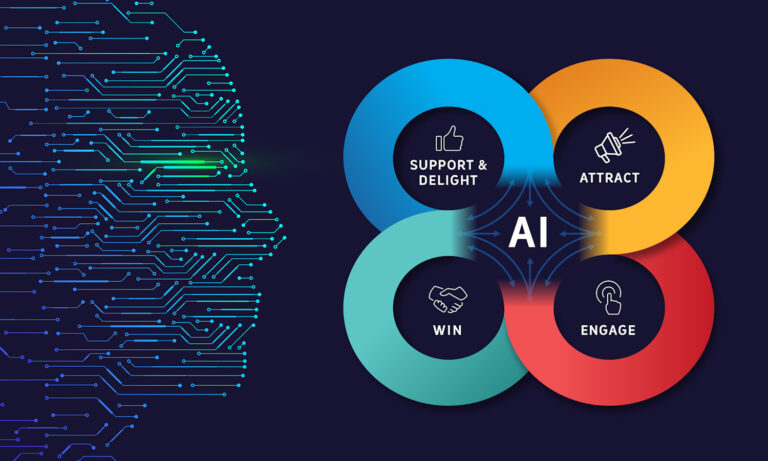
One of the most powerful ways AI is changing digital marketing is through personalization. AI algorithms can analyze massive amounts of data from user behavior, social media interactions, and online purchases to create highly targeted campaigns. Instead of sending generic ads, businesses can now deliver content that resonates with individual customers. For example, an AI system can predict which products a user is likely to buy next and recommend them at the right time, increasing conversion rates and customer satisfaction.
AI is also revolutionizing content creation. Tools powered by AI can generate blogs, social media posts, and even video content based on trending topics and audience preferences. This not only saves time for marketers but also ensures content is optimized for engagement and reach. Furthermore, AI-driven design tools can create visuals, banners, and ad creatives automatically, reducing the dependency on manual graphic design while maintaining quality.
Another critical impact is in customer experience and support. AI chatbots can interact with users 24/7, answering questions, resolving issues, and guiding customers through the sales funnel. Advanced chatbots learn from every interaction, becoming more effective over time. This ensures that businesses provide timely support, improving brand loyalty and customer satisfaction.
Predictive analytics is another AI-powered advantage in digital marketing. By analyzing historical data, AI can forecast trends, identify potential leads, and optimize marketing budgets. Businesses can now make data-driven decisions, knowing which campaigns will deliver the highest ROI before spending large amounts of money.
AI also plays a significant role in search engine optimization (SEO) and advertising. AI tools can analyze keyword trends, competitor strategies, and search algorithms to help marketers rank higher in search results. Similarly, in paid advertising, AI optimizes bidding strategies, ensuring ads reach the right audience at the right cost.
However, leveraging AI in marketing comes with its challenges. Data privacy, algorithm biases, and over-reliance on automation are risks that companies must manage. Ethical use of AI, combined with human creativity and intuition, is key to achieving the best results.
In conclusion, AI is no longer a futuristic concept in digital marketing—it is the driving force behind smarter, more efficient, and highly personalized strategies. Marketers who embrace AI will not only gain a competitive edge but also create meaningful connections with their audience in ways that were impossible before. The future of digital marketing is intelligent, predictive, and deeply customer-centric, and AI is at the heart of this transformation.